
Hosted by the KAIST AI Philosophy Research Center
International Joint Symposium
Beyond Intelligence
The Transformation of the Human Condition and the Pursuit of Wisdom in the Age of AI
- Rationality
- Embodiment
- Sociality
- Spirituality
- Wisdom
Host and Partners

KAIST AI Philosophy Research Center

KAIST Center for Digital Humanities and Computational Social Sciences
Kyoto Institute of Philosophy

Institute for the Future of Human Society, Kyoto University

MIT Global Humanities (GHI)

MIT Human Insight Collaborative
About the Symposium
The human condition
in the age of AI.
Embodiment, sociality, and spirituality—
and the wisdom to guide transformation.
As AI moves beyond problem solving, it increasingly operates in physical environments, interacts with human beings across social contexts, and assumes new agential roles in human life.
These developments reshape how we understand ourselves and pursue meaning and value. The symposium examines the transformation of the human condition through three interrelated dimensions: embodiment, sociality, and spirituality.
The symposium seeks the wisdom needed to assess and guide this transformation. Bringing together perspectives from philosophy, science, technology, and industry, it explores how AI can serve human values and the common good, empowering individuals and communities to shape their lives and shared future.
Read the full concept and statement of purpose
Symposium Concept
Recent advances in AI have dramatically extended the capabilities of machine intelligence, particularly in problem solving. At the same time, AI increasingly operates in physical environments through robots and autonomous systems, interacts with human beings across a widening range of social contexts, and assumes new agential roles in human life. These developments are reshaping how we, as human beings, understand ourselves and how we conceive of and pursue meaning and value in our lives. Against this backdrop, the conference examines how the human condition is being transformed in the age of AI, focusing on three interrelated dimensions: embodiment, sociality, and spirituality. Through this inquiry, it seeks the wisdom needed to assess and guide this transformation and explores how philosophy, science, technology, and industry might work together to shape the future of individuals and communities in ways that accord with human values and the common good.
Statement of Purpose
Since the advent of modernity, rational thought has been regarded as central to the human mind, with particular importance attached to problem-solving capacity grounded in precise calculation and prediction. Realizing this form of intelligence in machines has been one of the central aims of AI research. This endeavor is now producing remarkable results across a wide range of domains, from mathematics and science to creative work and decision-making.
Yet recent advances in AI extend well beyond improvements in problem-solving capacity. Robots and autonomous systems now operate in physical environments; AI agents undertake organizational tasks and participate in decision-making; and conversational AI engages in sustained interaction with human beings in social domains such as education and care. These developments indicate that AI is no longer merely a problem-solving tool but has begun to assume new agential roles in the physical and social spheres of human life.
These developments are giving rise to new questions about how we, as human beings, understand ourselves and the world, find our place in society, and conceive of and pursue meaning and value in our lives. Interest is growing both in whether any capacities are uniquely human and in which capacities are essential to a fully human life in the age of AI. Debate is also intensifying over how roles, authority, and responsibility should be distributed between human beings and AI, and what institutional arrangements should be put in place accordingly. As AI continues to reshape human roles, it is also prompting renewed reflection on what makes our lives meaningful and worthwhile. These discussions ultimately converge on a broader question: How is the human condition being transformed in the age of AI, and how ought this transformation to be guided?
This conference approaches this question by examining three interrelated dimensions of the human condition: embodiment, sociality, and spirituality. Embodiment is the ground of experience and action, enabling us to participate in the world through perception and movement. Sociality is the field of coexistence in which relationships, norms, organizations, and institutions are formed and sustained. Spirituality is the dimension in which we understand and pursue meaning, value, and purpose in life. From this threefold perspective, the conference examines how contemporary developments in AI are transforming the human condition and seeks the wisdom needed to assess and guide this transformation. Ultimately, the conference brings together perspectives from philosophy, science, technology, and industry to consider how the technological possibilities opened up by AI can be realized in ways that accord with human values and the common good. In doing so, it aims to empower individuals and communities to shape their own lives and shared future in the age of AI.
November 23–25, 2026
Provisional program
All times are Korea Standard Time
(KST, UTC+9).
Across disciplines and traditions
Speakers
Listed alphabetically by surname.
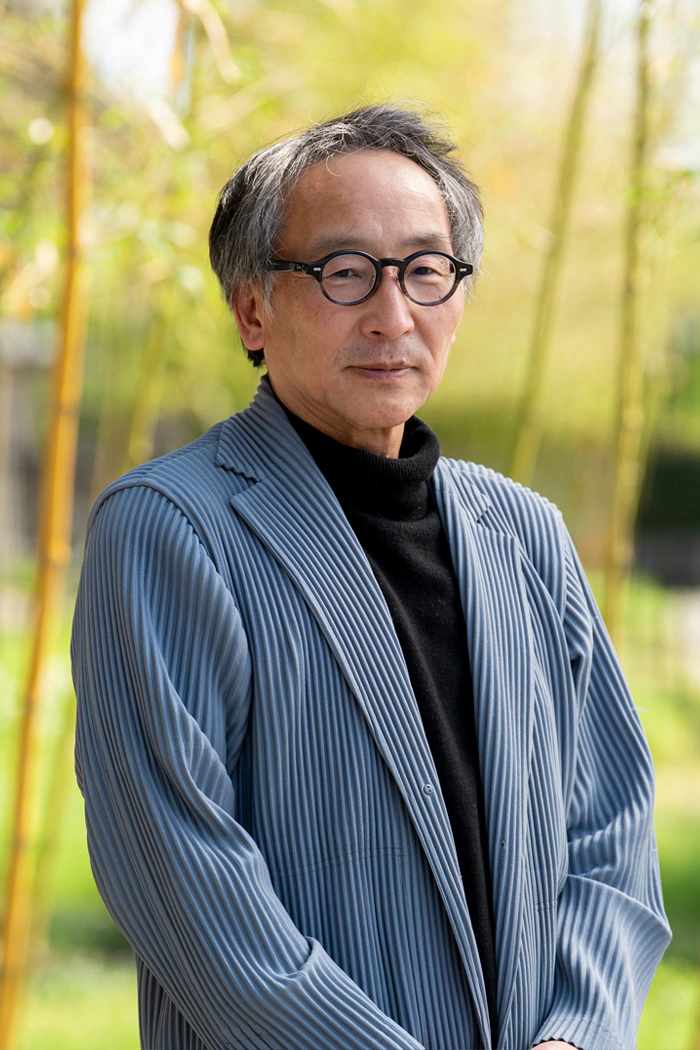
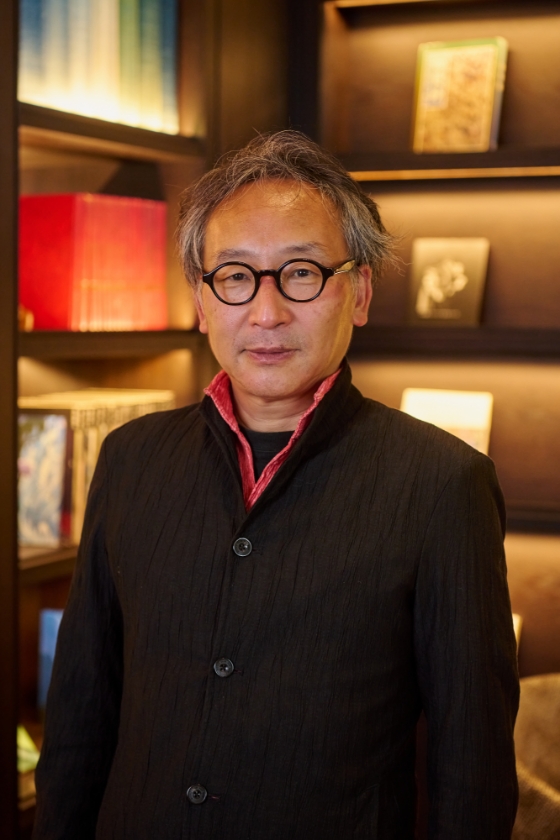
Yasuo Deguchi
Kyoto Institute of Philosophy IFoHS, Kyoto University
Presentation


Wiebke Denecke
MIT Global Humanities (GHI)
Presentation

Andree Hahmann
Tsinghua University
Presentation
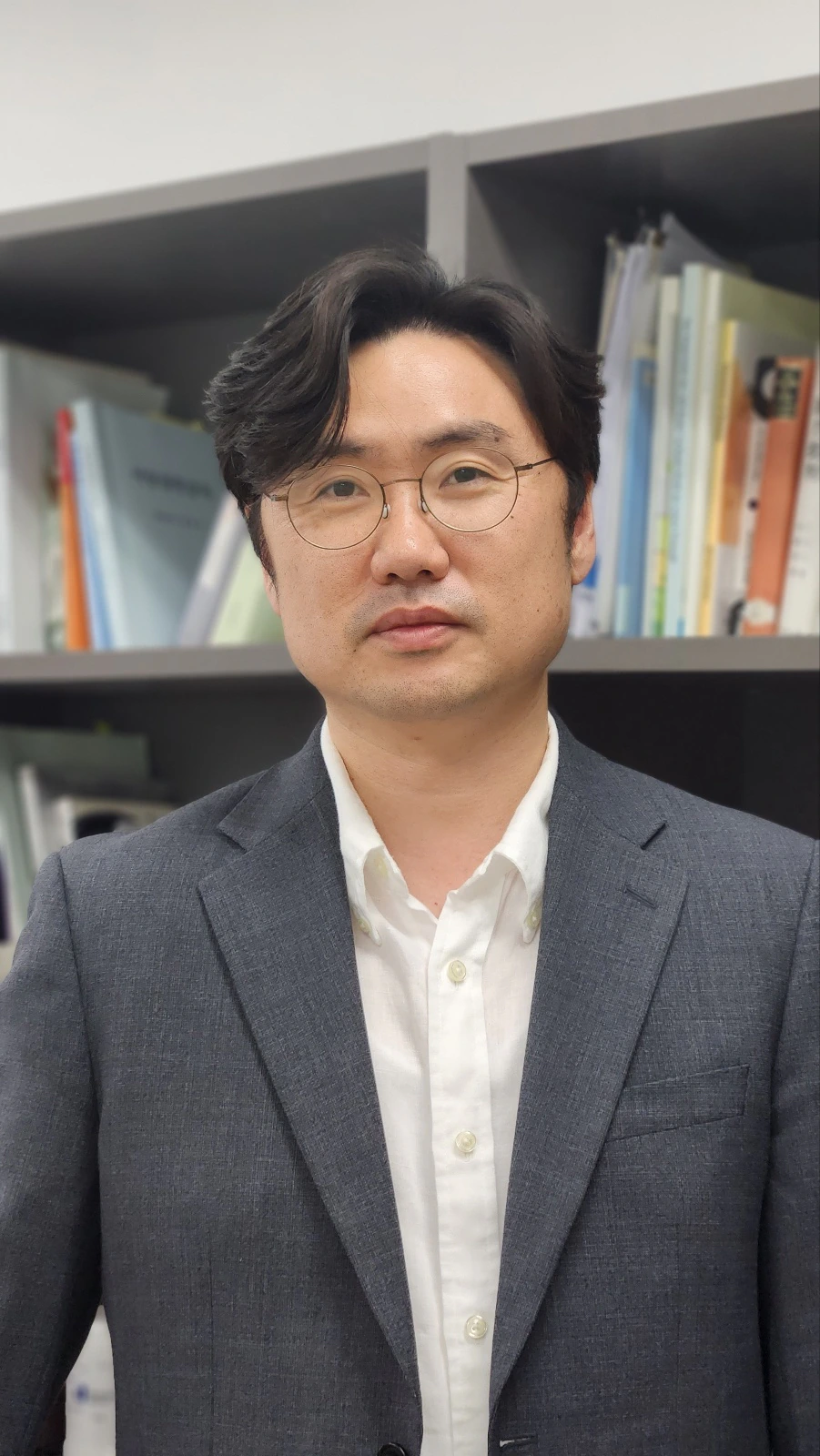
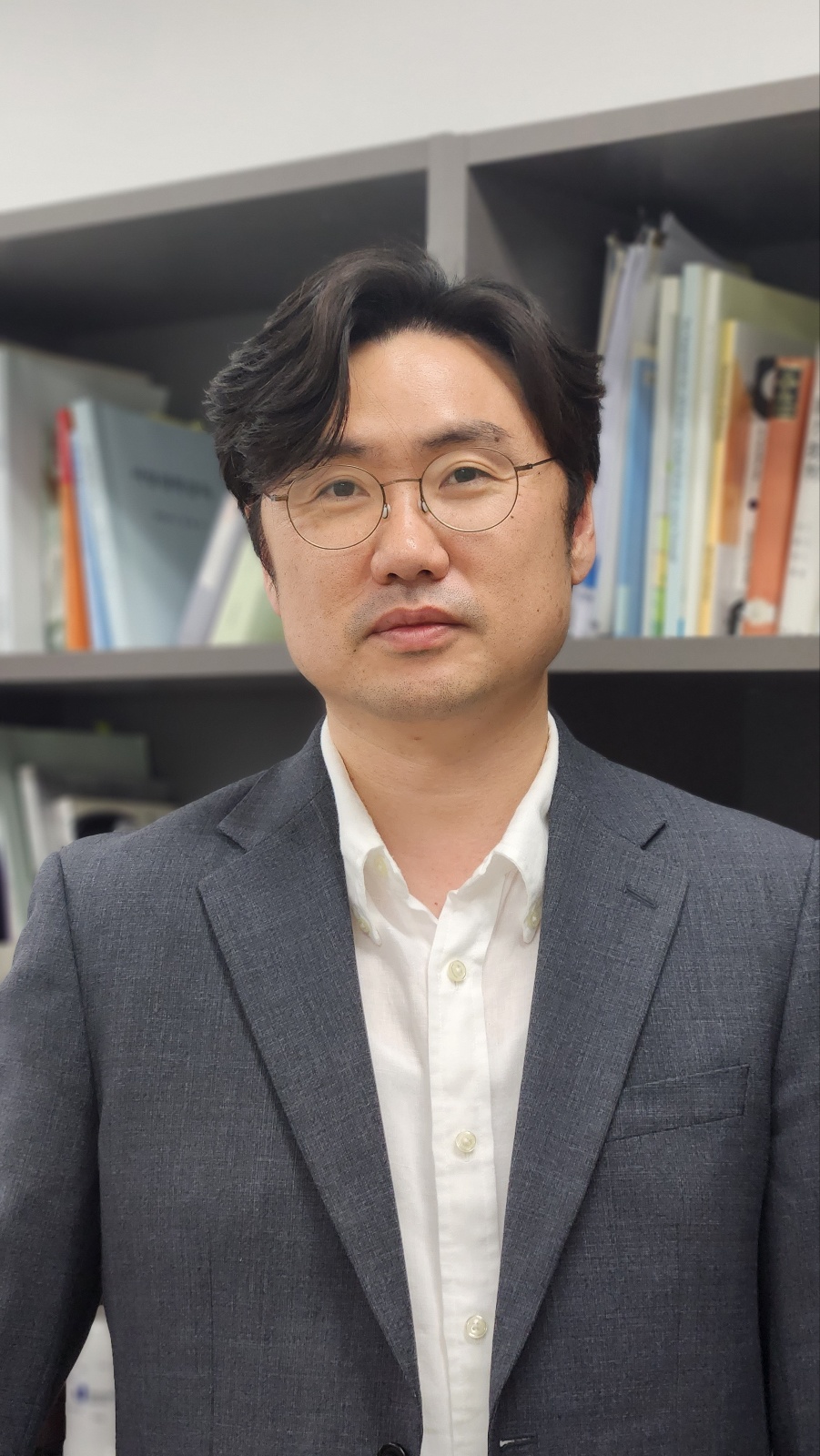
Hyeongjoo Kim
Chung-Ang University
Presentation
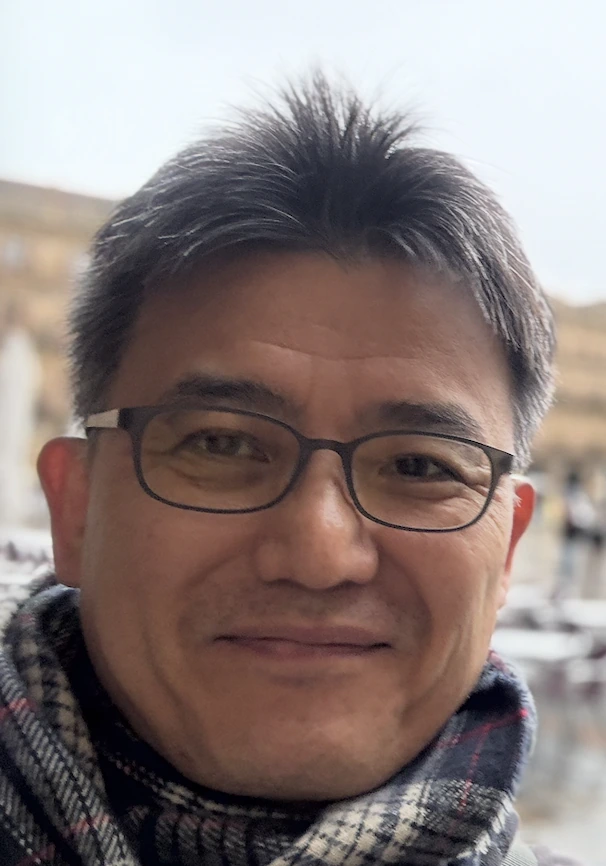
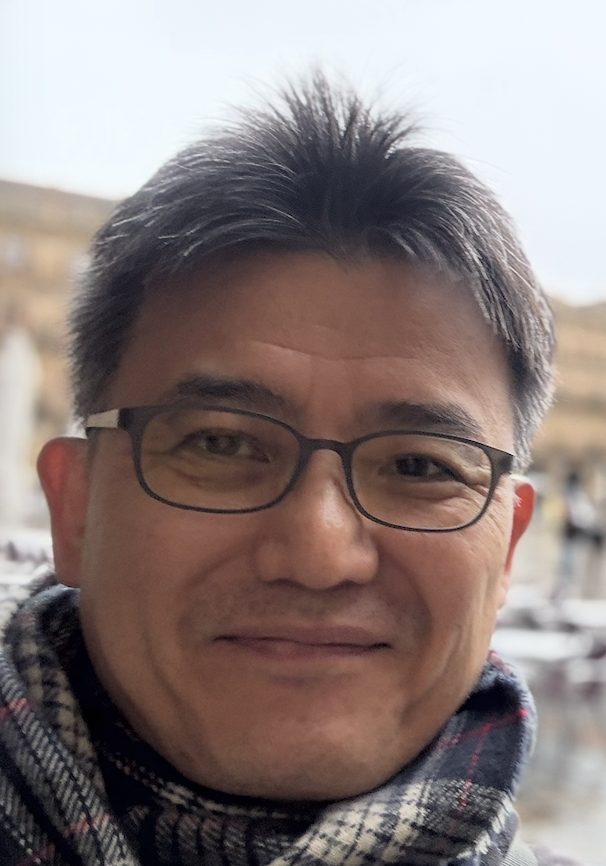
Jeong-Nam Kim
Department of AI & Futures Studies & Moon Soul Graduate School of Future Strategy, KAIST
Presentation
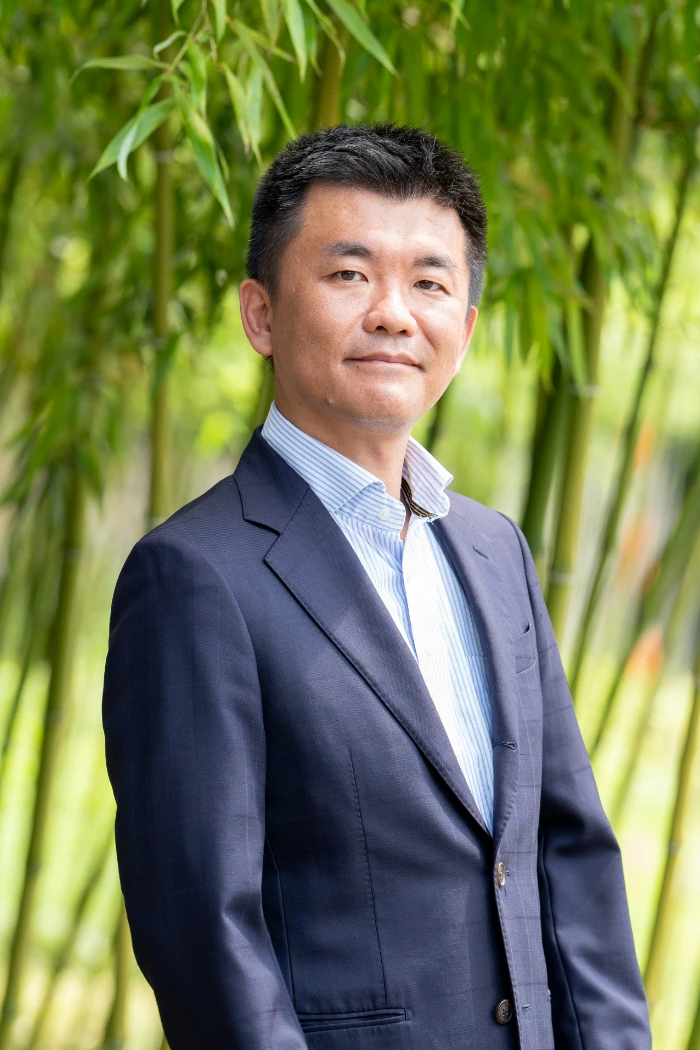
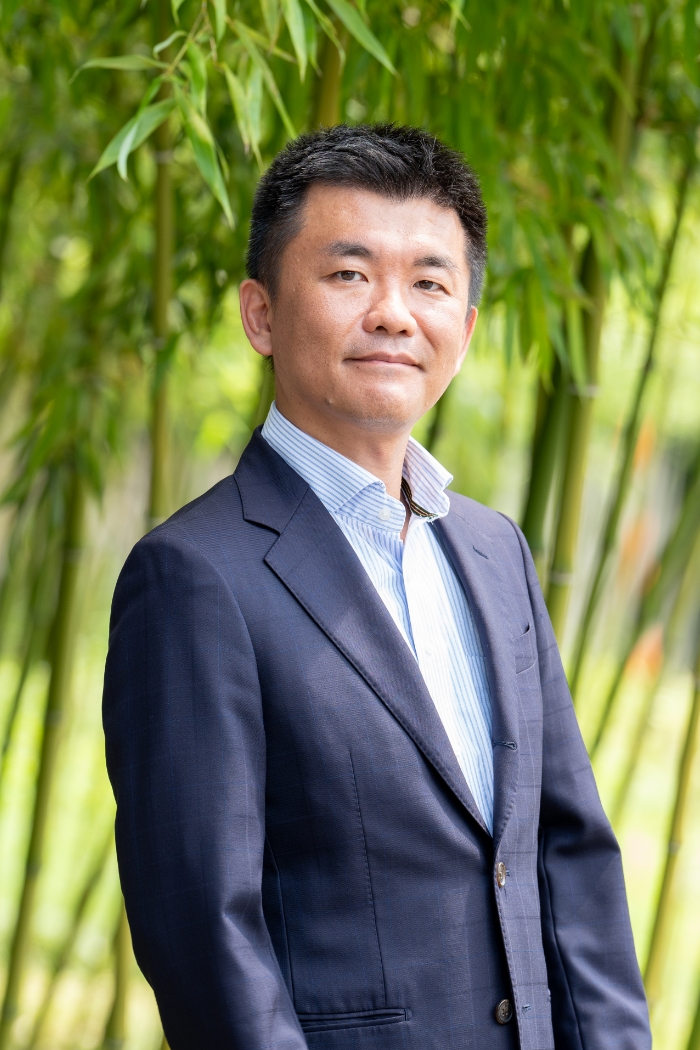
Kengo Konishi
IFoHS, Kyoto University
Presentation
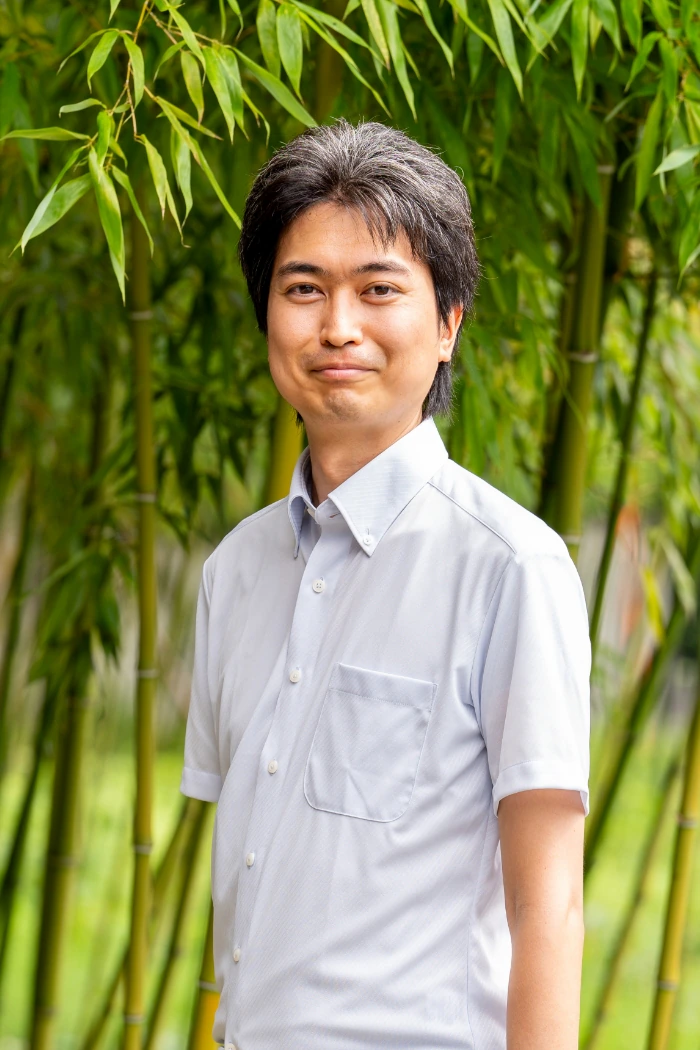
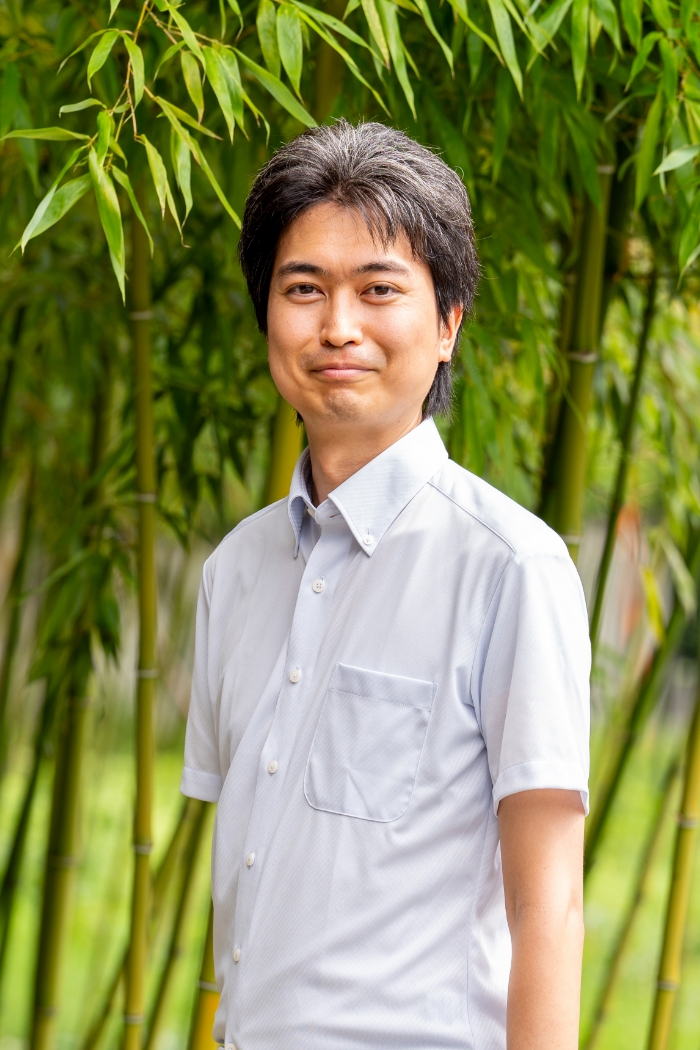
Masataka Nakayama
IFoHS, Kyoto University
Presentation
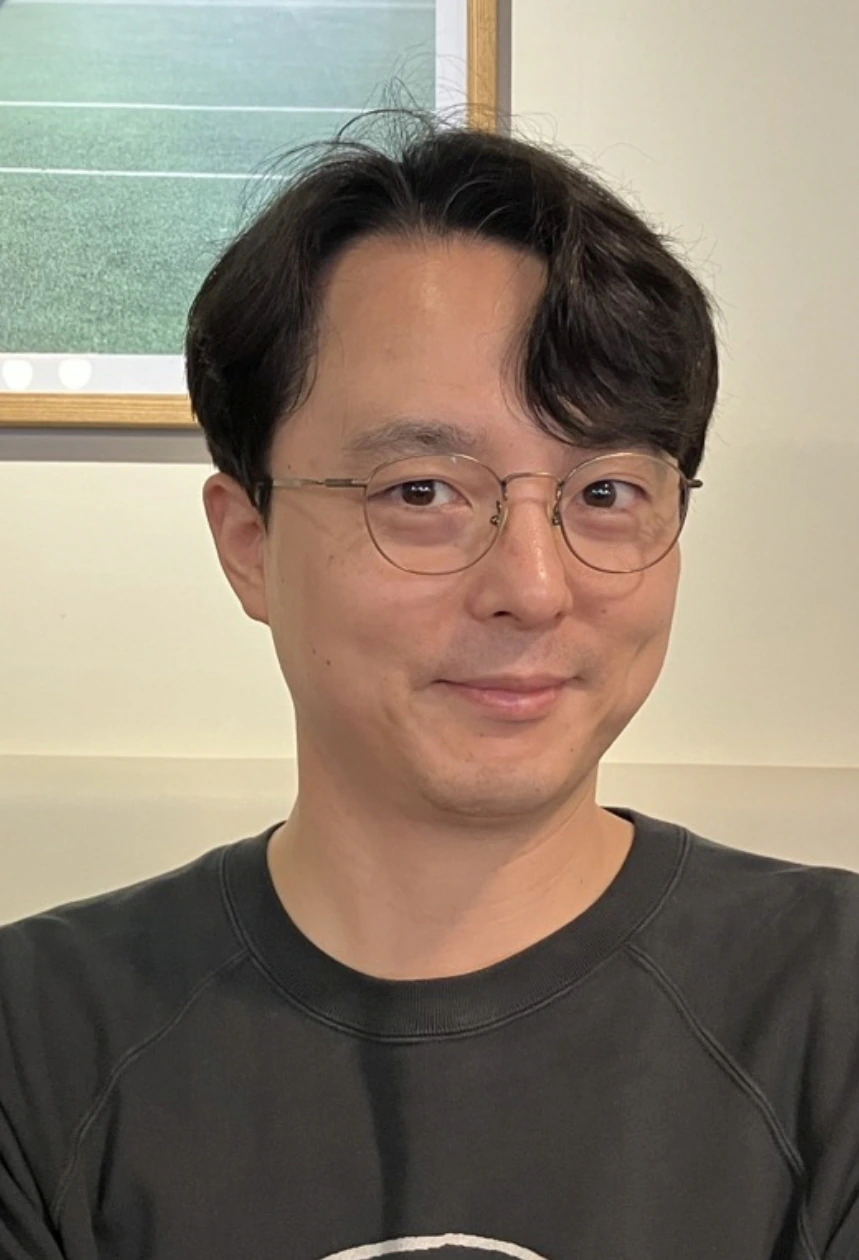

Hyungrae Noh
Pusan National University
Presentation
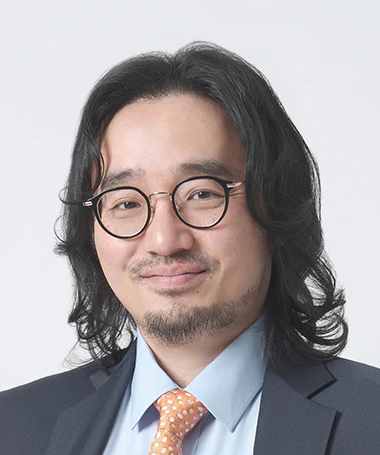
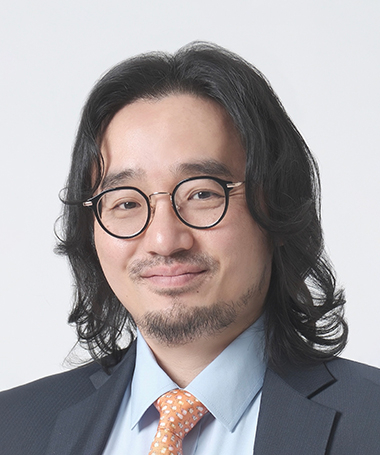
Juyong M. Park
Graduate School of Culture Technology, KAIST
Presentation
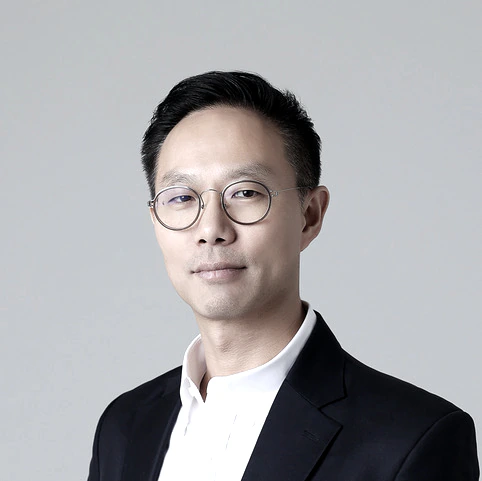
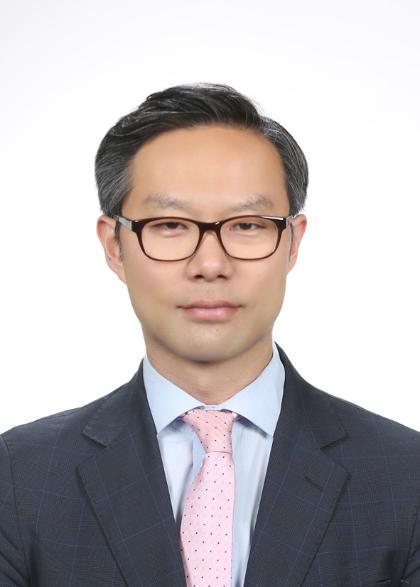
Nikolaj Pedersen
Yonsei University
Presentation
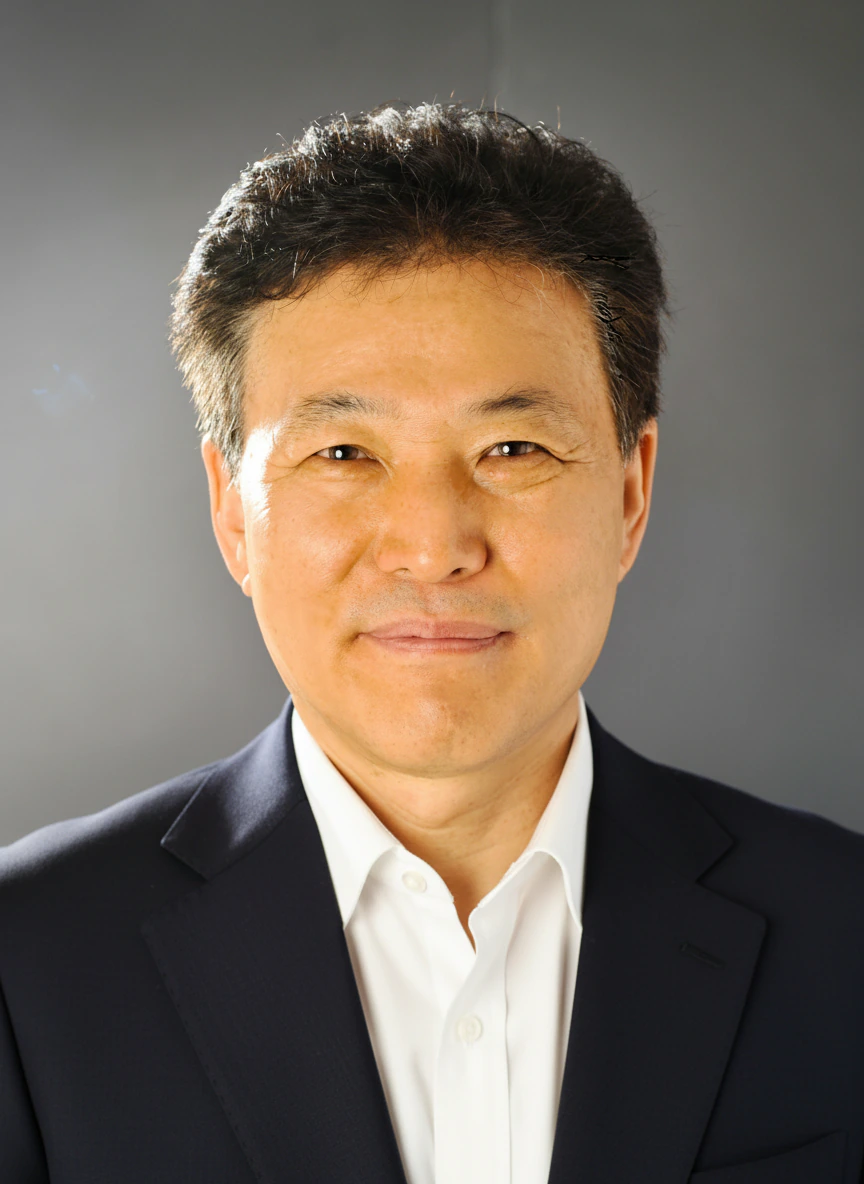
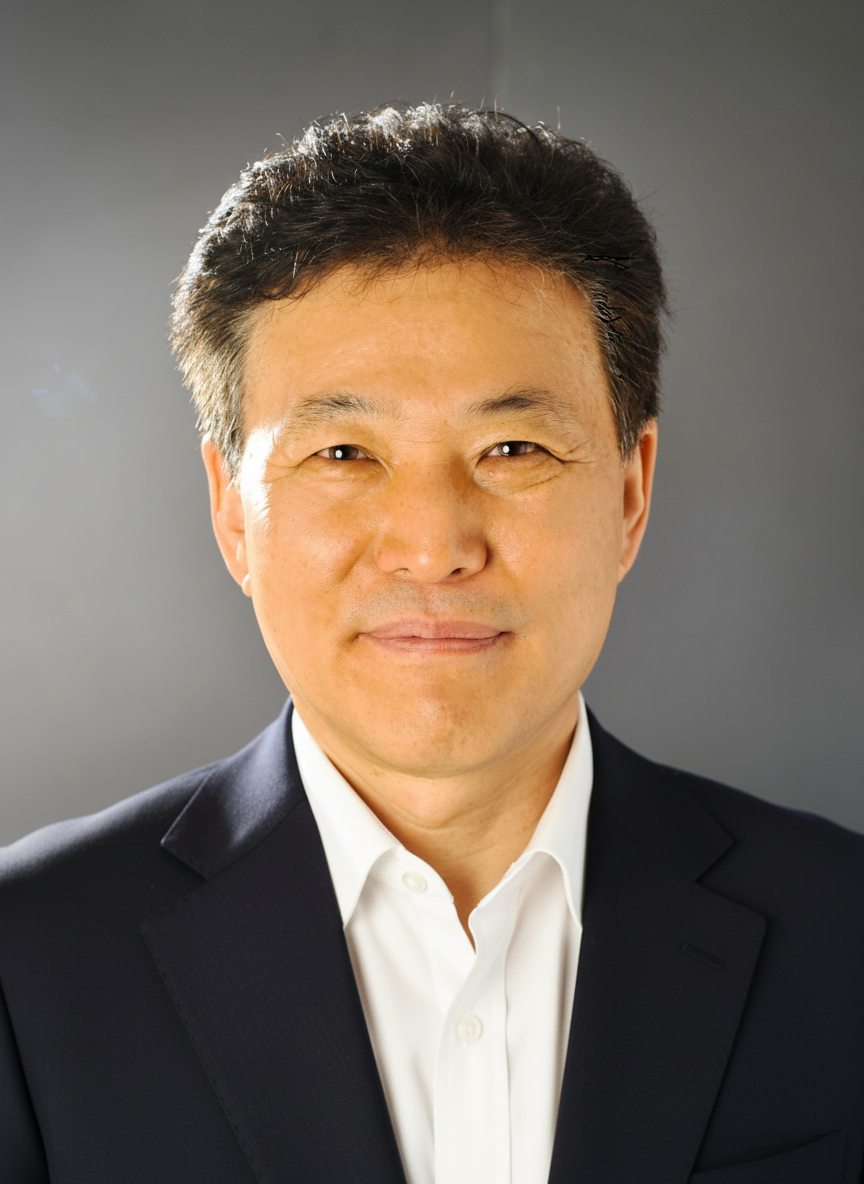
Young E. Rhee
Dongguk University
Presentation
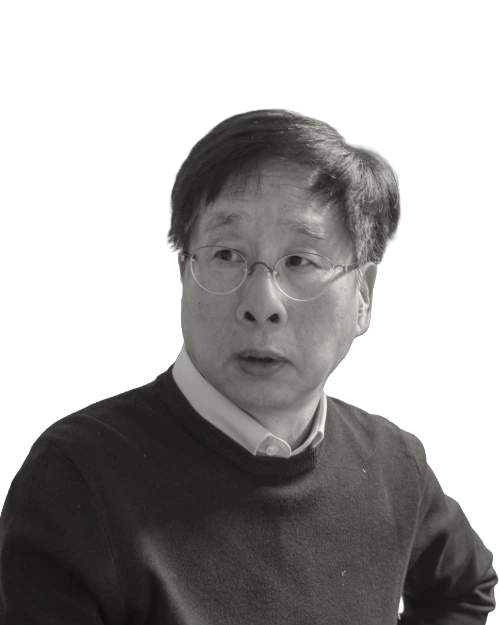
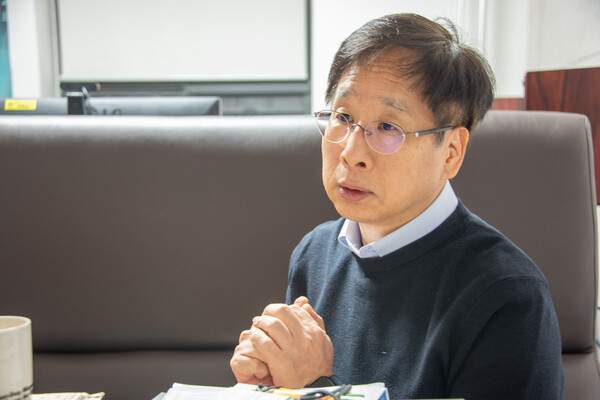
Sangkyu Shin
Ewha Womans University
Presentation


Doohyun Sung
AI Philosophy Research Center, KAIST
Presentation
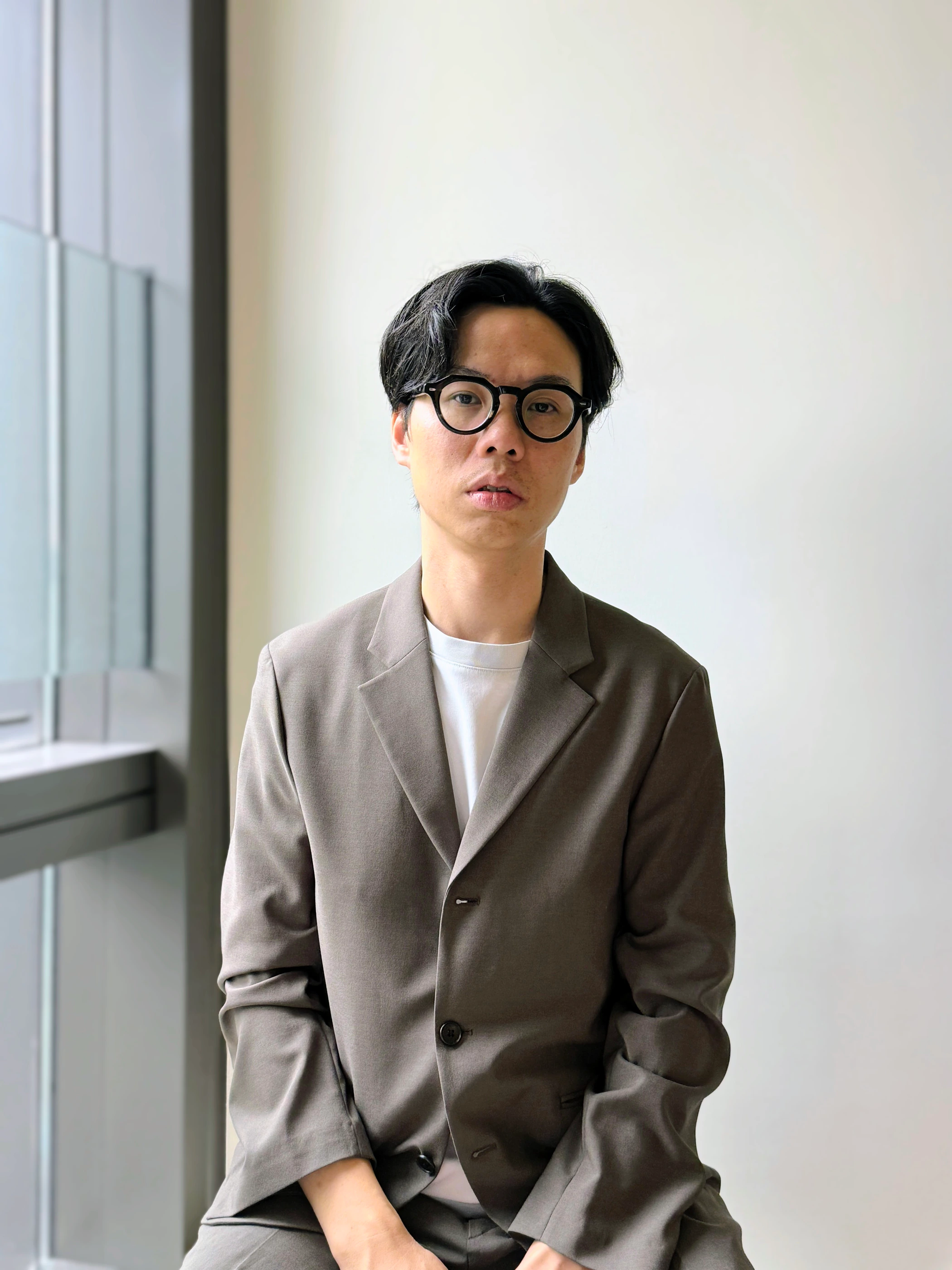
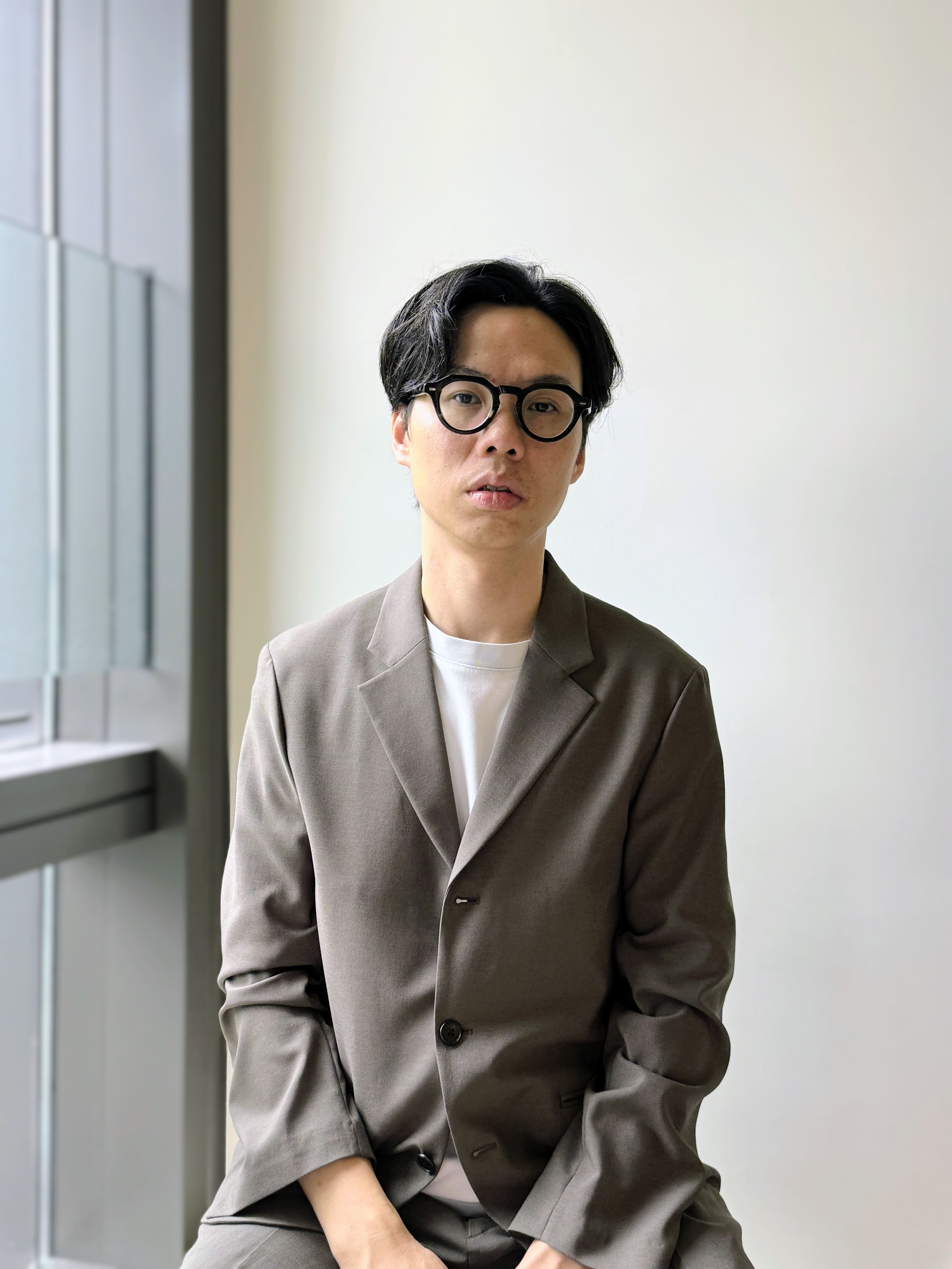
Pak-Hang Wong
Hong Kong Baptist University
Presentation
Join the conversation
At KAIST,
in Daejeon.
Venue
Yang Seungtaik Auditorium
Academic Cultural Complex (E9), 2F
KAIST Main Campus, Daejeon, Republic of Korea
Inquiries
KAIST AI Philosophy
Research Center
aiphilosophy@kaist.ac.krFor questions about the symposium,
please contact the organizing center.